Author: Alessandro Prastaro, Ph.D

HSEQ Meaning: HSE, EHS, OHS and QHSE Compared
By Alessandro Prastaro, Ph.D, in Compliance & Certification, Health and Safety Management, ISO 45001, Workplace Safety
HSEQ • PROFESSIONAL SKILLS • PREDICTIVE SAFETY What do these acronyms mean,and what skills do you need? HSEQ means Health, Safety, Environment and Quality. But if you work in industry,…
Read More
Safety Management System: Key Features & Technologies (2025)
By Alessandro Prastaro, Ph.D, in Health and Safety Management
Workplace safety has shifted from ticking compliance boxes to actively preventing harm. In 2025, a modern Safety Management System (SMS) is a digital approach that connects people, equipment, and processes…
Read More
Key Risk Indicators: Reduce Oil & Gas Risks with Leak Analyzer
By Alessandro Prastaro, Ph.D, in Health and Safety Management
Key Risk Indicators (KRIs) are essential in the oil and gas industry, where operations run in high-risk environments. Leaks, equipment failures, and pressure deviations can quickly escalate into costly and…
Read More
Electrical Safety Audit: Digitize with SpeakUp4Safety
By Alessandro Prastaro, Ph.D, in Compliance & Certification, Health and Safety Management, ISO 45001, safety Analytics, Safety dashboards, Worker participation, Workplace Safety
An electrical safety audit helps prevent incidents caused by weak inspection routines, missing documentation, and aging infrastructure. Therefore, many organizations are upgrading audits to improve prevention and strengthen compliance. When…
Read More
How to Boost Fire Safety with Fire Extinguisher Checks
By Alessandro Prastaro, Ph.D, in Safety dashboards, Workplace Safety
Fire Extinguisher checks are the cornerstone of a robust workplace fire safety program. Fire can injure people, disrupt operations, and damage a company’s reputation. Therefore, you need a routine that…
Read More
Near Miss Investigation: 7 Steps and Template Checklist
By Alessandro Prastaro, Ph.D, in EHS Software, Health and Safety Management, ISO 45001
Near miss investigation is the structured process used to analyze an event that almost caused harm. In other words, it identifies hazards, contributing factors, and root causes so you can…
Read More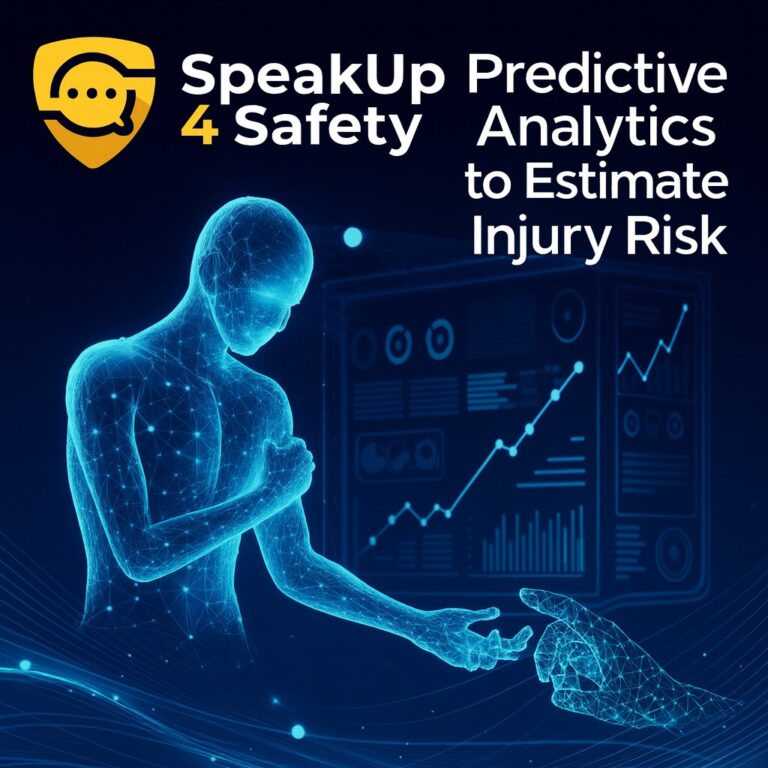
SpeakUp4Safety: How AI and Digitalization Make Workplace Safety Predictive
By Alessandro Prastaro, Ph.D, in Compliance & Certification, ISO 45001, safety Analytics, Safety dashboards, Worker participation, Workplace Safety
SpeakUp4Safety – Logistic Regression Injury Risk Prediction This article explains logistic regression injury risk prediction and compares Minitab-first and SpeakUp4Safety + AI workflows. Download the CSV template and the sample…
Read More
Root Cause Analysis for Workplace Safety: Go Digital (2025)
By Alessandro Prastaro, Ph.D, in Compliance & Certification, Health and Safety Management, ISO 45001, safety Analytics, Safety dashboards, Workplace Safety
Even in 2025, workplace accidents still happen despite strict safety rules, advanced equipment, and regular inspections. The reason? Many safety programs focus only on symptoms, not the root causes. This…
Read More
Behaviour Based Safety in action using SpeakUp4Safety
By Alessandro Prastaro, Ph.D, in Compliance & Certification, ISO 45001, Uncategorized
How SpeakUp4Safety makes workplace safety truly operational Introduction Behaviour Based Safety SpeakUp4Safety helps organisations move beyond rules and PPE by improving how people work every day. Instead of collecting observations…
Read More
Human and Organizational Performance: 5 HOP Principles
By Alessandro Prastaro, Ph.D, in Compliance & Certification, ISO 45001, Worker participation
Human & Organizational Performance (HOP): From Human Error to Learning What does HOP stand for? HOP stands for Human and Organizational Performance. It is a safety philosophy that recognizes human…
Read More