Contractor Safety Management Software: From Pre-Qualification to JHA, Permits to Work and Controlled Access
Contractor safety management software helps organizations keep control after a Job Hazard Analysis (JHA). Yet many teams lose momentum right after the assessment. They store documents in different places, approvals become unclear, and high-risk work starts without consistent controls. As a result, teams assess risks but do not manage them effectively.
In this guide, you will learn why contractor safety often fails after JHA. More importantly, you will see how SpeakUp4Safety connects pre-qualification, JHA actions, permits to work, and access authorization in one workflow.
The real problem: contractor safety management breaks down after JHA
A JHA matters. However, many organizations still run contractor safety with emails, spreadsheets, and manual checks. Consequently, safety teams lose visibility at the worst time: right before work starts.
Common contractor safety gaps you can spot quickly
- Teams store contractor data in multiple places (Excel, email threads, shared folders).
- People miss pre-qualification documents, let them expire, or fail to link them to the right workers.
- Supervisors approve gate access informally, so entry checks become inconsistent.
- Sites start high-risk tasks (hot work, confined spaces, electrical) without a standardized permit flow.
- Managers assign corrective actions, but they do not track them to closure.
In short, the assessment is not the problem. Instead, the process fails because it does not connect qualification, risk control, and authorization. Therefore, organizations need contractor safety management software to keep the workflow consistent.
What effective contractor safety management software should deliver
To prevent incidents and protect both employees and contractors, you need a process that works every time. Specifically, the system should ensure that:
- Only qualified contractors and qualified contractor workers can work on site.
- Teams assess risks for the specific job and the specific site.
- Teams define risk reduction actions, assign owners, and close actions on time.
- Teams issue permits to work for high-risk activities only after they confirm controls.
- Gate staff grant access only after the system verifies all required conditions.
As a result, contractor safety management software replaces disconnected steps with one controlled workflow and clear accountability.
The SpeakUp4Safety contractor safety management software workflow
SpeakUp4Safety manages contractor safety through a structured workflow. In addition, it links each step to the next, so you move from “assessment” to “control” with full traceability.
Step 1 — Register the contractor and link it to the client (committente)
First, register the contractor company and link it to the committente. This step creates a single reference for the contractor, the site, and the planned activities.
- Keep contractor master data in one place.
- Create a clear contractor ↔ committente relationship.
- Improve visibility across sites and projects.
Step 2 — Collect and verify pre-qualification documents for contractors and workers
Next, request and collect pre-qualification documents at two levels: contractor company and individual contractor workers. Then validate document status before the team starts work.
- Collect company documents (certifications, insurance, policies).
- Collect worker documents (training records and role qualifications).
- Track validity dates and prevent expired documentation.
As a result, you reduce follow-ups and strengthen audit readiness with centralized evidence.
Step 3 — Job Hazard Analysis managed within contractor safety management software
After pre-qualification, connect the activity to a Job Hazard Analysis (JHA). For example, you can list hazards, define controls, and assign actions to owners with due dates.
- Build a Gantt chart to plan tasks, dependencies, and deadlines, so teams execute the work in a controlled sequence.
- Identify hazards and risk scenarios linked to contractor tasks, and document the selected control measures.
- Assign risk control actions by defining who does what, by when, and how the team will verify completion.
- Track implementation so the team verifies controls and closes actions before work starts.
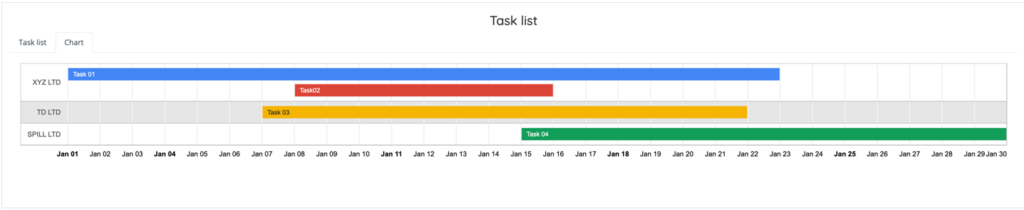
Therefore, the JHA becomes operational. Instead of filing a document, you deliver risk controls that people can execute and verify.
Step 4 — Issue permits to work for high-risk activities
Next, issue permits to work for high-risk tasks. Then link each permit to the contractor, the authorized workers, and the JHA controls.
- Work on roofs
- Work at height
- Hot work
- Electrical work
- Confined space work
As a result, teams cannot start work until they confirm controls and release the permit.
Step 5 — Release controlled entry authorization (read-only for gatehouse and supervisors)
Finally, release entry authorization only after the system validates pre-qualification, JHA actions, and permits. Then the gatehouse and supervisors can verify authorization in read-only mode, which reduces errors and prevents unauthorized access.
- Gatehouse verifies authorization quickly.
- Supervisors review only approved, up-to-date information.
- Teams avoid last-minute surprises and unauthorized entries.

Example: how the workflow prevents a recurring contractor incident
Imagine a contractor team must perform hot work and electrical isolation in a production area. With a manual process, people rush checks and approvals vary by supervisor. However, SpeakUp4Safety keeps the sequence consistent:
- The team registers the contractor and links it to the committente.
- The team collects and validates pre-qualification documents for the company and workers.
- The team completes the JHA and assigns controls (isolation, fire watch, PPE, barriers) with owners and deadlines.
- The team issues hot work and electrical work permits only after confirming controls.
- The gatehouse verifies entry authorization in read-only mode before entry.
Consequently, you reduce variability and strengthen accountability across the contractor lifecycle.
Key benefits of contractor safety management software using SpeakUp4Safety

FAQ
Is Job Hazard Analysis enough to manage contractors safely?
JHA is a critical starting point. However, organizations improve contractor safety when they connect qualification, risk controls, permits, and access authorization in one workflow.
What is the biggest risk in contractor management?
The biggest risk is fragmentation. When teams split documents, approvals, and controls across tools, they increase the chance that unauthorized or unqualified work will start.
Which permits to work should we digitize first?
Start with your highest-risk activities: hot work, confined spaces, electrical work, and work at height. Then digitize the remaining permits based on site priorities.
Questions and answers on this topic
Do you have practical questions or want to go deeper into the topic? In this section we collect the most relevant questions asked by EHS professionals together with the official answers from the SpeakUp4Safety Team, to help you turn concepts into concrete actions.
Do you have a question about this topic?
Submit your question by email. It will be reviewed by our specialists and, if relevant for the community, published with an official response.
Privacy note: the information you provide will be used exclusively to respond to your request.
Frequently asked questions from EHS professionals
Is Job Hazard Analysis enough to manage contractors safely?
Answer: Job Hazard Analysis is a critical starting point. However, contractor safety improves when organizations connect qualification, risk controls, permits to work, and access authorization in one integrated workflow.
What is the biggest risk in contractor safety management?
Answer: The biggest risk is fragmentation. When documents, approvals, and controls are spread across different tools, teams increase the likelihood of unauthorized or unqualified work starting on site.
Which permits to work should be digitalized first?
Answer: Start with the highest-risk activities such as hot work, confined spaces, electrical work, and work at height. Then expand digital permits based on site-specific priorities.
Want to digitalize contractor safety management and reduce operational risk?
Contact the SpeakUp4Safety team to request a demo.